Get Tree Canopy Thinning
Tree Canopy Thinning services help property owners improve safety, reduce overgrowth, and enhance visibility by connecting them with local contractors experienced in selective tree removal and pruning.
If you're considering tree canopy thinning on your property, you're in the right place to explore your options. Property owners often look into this service to improve sunlight exposure, reduce wind resistance, or promote healthier tree growth. Understanding the benefits and practical reasons for canopy thinning can help you make informed decisions about your landscape management plans. Keep reading to discover how local contractors can assist with your project and provide tailored solutions suited to your property’s needs.
Comparing local service providers ensures you find experienced professionals who can handle canopy thinning effectively. Whether your goal is to enhance aesthetic appeal, support tree health, or address safety concerns, choosing the right contractor is an important step. Continue exploring your options to connect with qualified experts who can help you plan and execute your tree management project with confidence.
- Tree Canopy Thinning - when overgrown canopies are causing issues with sunlight penetration and air circulation.
- Tree Canopy Thinning - to improve visibility and reduce the risk of branch damage during storms.
- Tree Canopy Thinning - in cases where excessive leaf coverage is impacting the health of underlying plants or structures.
- Tree Canopy Thinning - to promote healthier tree growth by reducing weight and wind resistance.
- Tree Canopy Thinning - when managing tree density to prevent overcrowding and maintain landscape aesthetics.
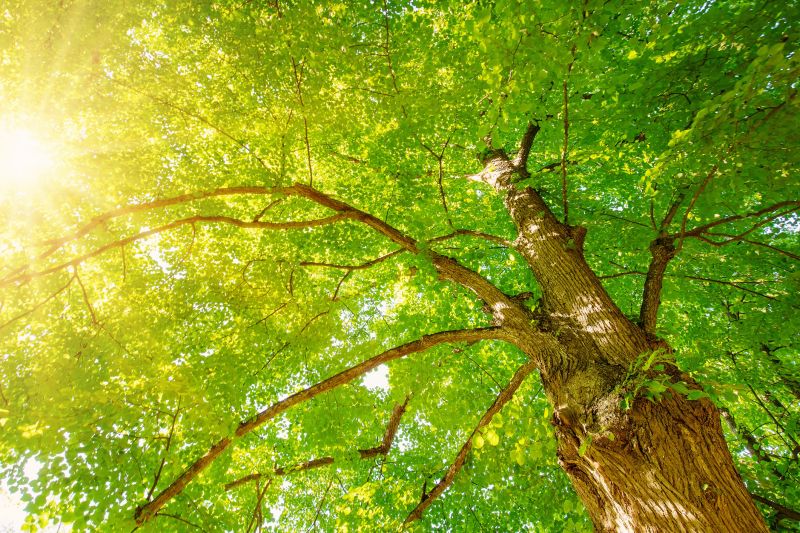
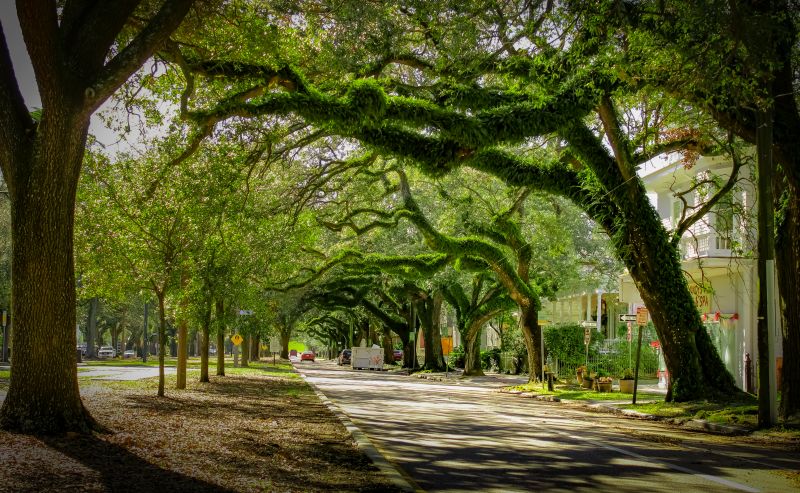
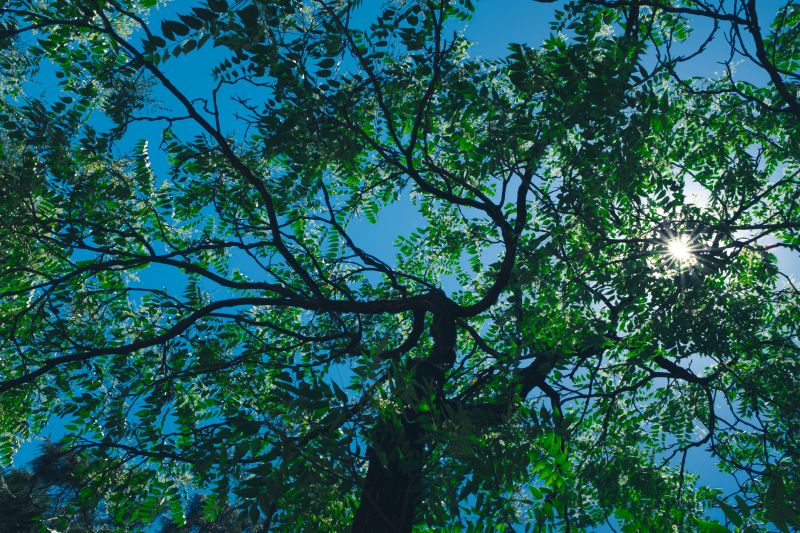
Tree canopy thinning services involve carefully reducing the density of branches and foliage in a tree’s upper layers. This process typically includes selectively removing certain limbs to improve the overall structure and health of the tree. By thinning the canopy, property owners can help prevent overgrowth that might lead to issues such as limb breakage, excessive shading, or increased risk of disease. The goal is to create a balanced, healthier tree that maintains its natural form while reducing potential hazards caused by overly dense foliage.
One of the primary problems that canopy thinning addresses is the risk of falling branches or limbs, especially during storms or high winds. Overgrown or crowded canopies can become heavy and unstable, increasing the chance of damage to property or injury to people nearby. Additionally, thick canopies can block sunlight from reaching lawns, gardens, or outdoor spaces, which can hinder plant growth and affect the usability of outdoor areas. Thinning also improves air circulation within the canopy, helping to reduce the likelihood of pest infestations and fungal diseases that thrive in dense, humid environments.
Property types that often benefit from tree canopy thinning include residential homes, commercial buildings, and public parks. Homeowners with large trees on their property may seek thinning to enhance safety and improve their yard’s appearance. Commercial property managers might use canopy thinning to maintain safe and accessible outdoor spaces for employees and visitors. Public parks and community spaces also frequently utilize this service to ensure trees remain healthy, safe, and visually appealing for visitors. In general, any property with mature or overgrown trees can consider canopy thinning as a way to manage tree health and safety effectively.
Local contractors who offer tree canopy thinning can assess the specific needs of each property and determine the best approach for thinning. They typically use specialized pruning techniques to carefully remove selected branches without harming the overall health of the tree. This service is especially useful for trees that have become too dense or are showing signs of structural weakness. Property owners should consider canopy thinning when they notice excessive shading, dead or broken branches, or if a tree’s canopy appears overly crowded or unbalanced. Contacting local pros can help ensure the work is done safely and properly, promoting healthier, more manageable trees.
The overview below groups typical Tree Canopy Thinning projects into broad ranges so you can see how smaller, mid-sized, and larger jobs often compare in your area.
In many markets, a large share of routine jobs stays in the lower and middle ranges, while only a smaller percentage of projects moves into the highest bands when the work is more complex or site conditions are harder than average.
Smaller Repairs - Typical costs for routine thinning of small sections of tree canopy generally range from $250 to $600. Many local contractors handle these jobs efficiently within this range, which covers most standard thinning projects.
Moderate Thinning - For medium-sized trees or more extensive canopy thinning, prices often fall between $600 and $1,500. These projects are common and usually fall within this middle range, depending on tree size and complexity.
Large or Complex Jobs - Larger, more complex canopy thinning projects can reach $1,500 to $3,000 or more. Fewer jobs push into this higher tier, typically involving multiple trees or significant landscape considerations.
Full Canopy Reduction - Complete or extensive canopy reduction services may cost $3,000 to $5,000+ for large-scale or highly detailed work. Such projects are less common and usually involve specialized service providers handling complex or high-value landscapes.
Actual totals will depend on details like access to the work area, the scope of the project, and the materials selected, so use these as general starting points rather than exact figures.
Tree Removal - Professionals skilled in tree removal can also perform canopy thinning to improve tree health and safety through careful pruning and thinning techniques.
Urban Forestry Consulting - Urban forestry experts plan and implement canopy management strategies, including thinning, to promote healthy urban tree canopies.
Landscape Architecture - Landscape architects often incorporate canopy thinning into their designs to ensure proper tree growth and aesthetic balance within outdoor spaces.
Arborist Services - Arborists with expertise in tree health and structure provide canopy thinning as part of their pruning and maintenance offerings.
Storm Damage Cleanup - Contractors clearing storm-damaged trees may also perform canopy thinning to prevent future hazards and promote recovery.
Tree Planting & Care - Tree planting specialists advise on canopy management, including thinning, to ensure optimal growth and canopy development over time.
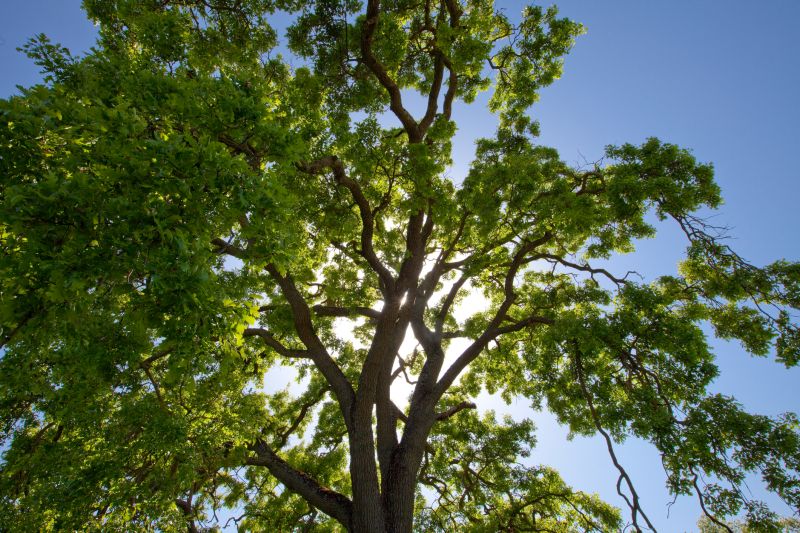
When comparing service providers for tree canopy thinning, it is important to consider their experience with similar projects. Homeowners should look for local contractors who have a proven track record in performing canopy management tasks comparable to the scope of their needs. Asking for examples of past work or references related to tree thinning can provide insight into a provider’s familiarity with the specific techniques and challenges involved, helping to ensure the selected professional understands the nuances of the job.
Clear, written expectations are essential for a successful project. Homeowners should seek out service providers who can offer detailed descriptions of their proposed approach, including the methods they use, the extent of canopy thinning, and any recommendations for ongoing maintenance. Having these expectations documented helps prevent misunderstandings and provides a basis for evaluating whether the contractor’s plan aligns with the homeowner’s goals.
Reputation and communication are also key factors in choosing a reliable local professional. Reputable service providers are often those who can provide references from previous clients or demonstrate positive feedback within the community. Good communication involves responsiveness, clarity, and the ability to answer questions thoroughly. Homeowners should prioritize contractors who are transparent about their process and willing to discuss project details openly, as this fosters a collaborative relationship and contributes to a smoother experience.
Property owners use Tree Canopy Thinning services for practical projects around their homes and businesses. This guide focuses on everyday jobs and straightforward project options.
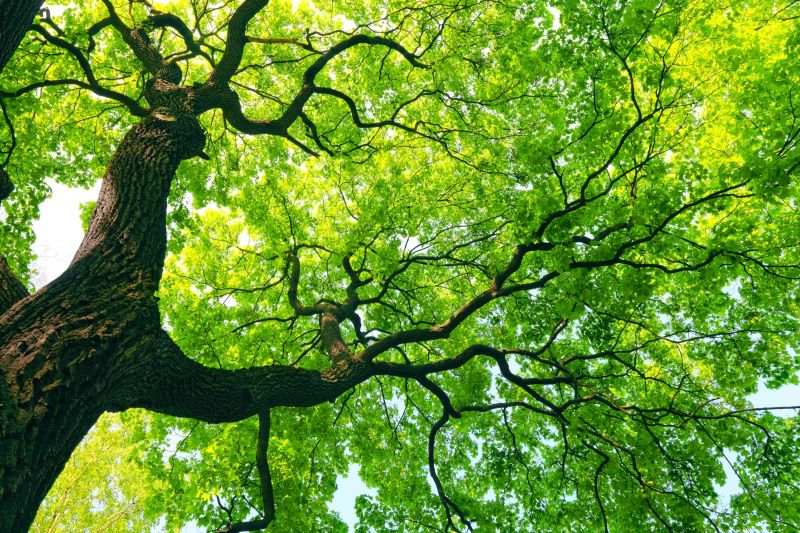
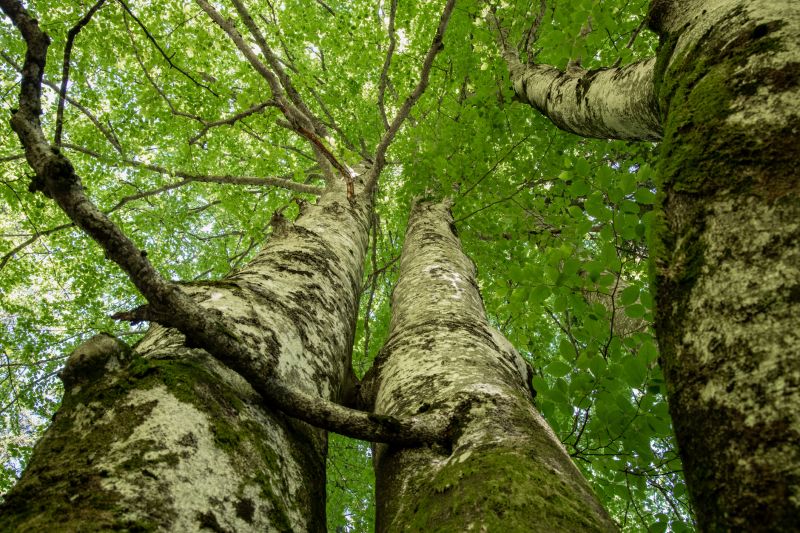
Tree canopy thinning services are often needed when property owners notice overgrown or dense branches that block sunlight or create clutter around their homes and yards. Local contractors can help with removing or trimming excess branches to improve visibility, reduce shade, and prevent potential damage from falling limbs during storms. These projects are common in neighborhoods where trees have grown extensively over time, and property owners want to maintain a balanced and healthy landscape.
Another common reason for seeking tree canopy thinning is to enhance safety and accessibility around the property. Overgrown canopies can obstruct walkways, driveways, or windows, making it difficult to move freely or see clearly. Local service providers can assess the situation and perform thinning work to clear pathways, reduce hazards, and promote healthier tree growth. This type of work is often part of routine yard maintenance or preventative care to keep trees manageable and safe.
What is tree canopy thinning? Tree canopy thinning involves selectively removing branches to reduce the density of a tree’s foliage, improving airflow and light penetration.
Why might someone need tree canopy thinning? Tree canopy thinning can help prevent branch overgrowth, reduce the risk of storm damage, and promote healthier tree growth by allowing better access to sunlight and air.
How do local contractors perform canopy thinning? Professionals assess the tree’s structure and carefully prune branches to achieve the desired thinning effect while maintaining the tree’s health and stability.
Is tree canopy thinning suitable for all types of trees? While many trees benefit from canopy thinning, it’s best to consult with local service providers to determine if it’s appropriate for specific tree species and conditions.
What are the benefits of hiring local pros for canopy thinning? Local contractors have experience with regional tree species and conditions, ensuring the work is performed safely and effectively to support tree health and safety.
Tree Canopy Thinning for Property Maintenance - Local contractors can help reduce excess foliage to improve sunlight exposure and airflow around a property.
Enhancing Landscape Visibility - Thinning services can clear overgrown branches to reveal landscape features and improve overall curb appeal.
Managing Tree Health and Growth - Professionals can selectively thin branches to promote healthier growth and prevent potential damage from heavy canopy loads.
Preparing for Storm Season - Tree canopy thinning can reduce the risk of falling branches during storms, helping to protect property and safety.
If you are thinking about Tree Canopy Thinning for a property, this guide is meant to help you understand the work, the typical project types, and how different options might fit your plans.
When you are ready, you can use the quote form on this page to share a few details about your project. From there, local pros can review the basics and respond with options that match what you have in mind.